RLH200 High Speed Tray Denester
This series covers RLH200, so selection stays inside one platform instead of mixing configurations across series.
Tray sealing takes a pre-formed tray, fills it, and seals a film lid on top. Compared with thermoforming it needs no forming station, so tooling is cheaper and format changes are faster — the trade-off is that you buy trays instead of making them from roll film.
The machines below are the ones in our range that can take this job directly. Final selection still depends on tray dimensions, output per shift and how the line connects to what you already have — once those three are fixed, the configuration is mostly settled.
Matching Machines
See all machines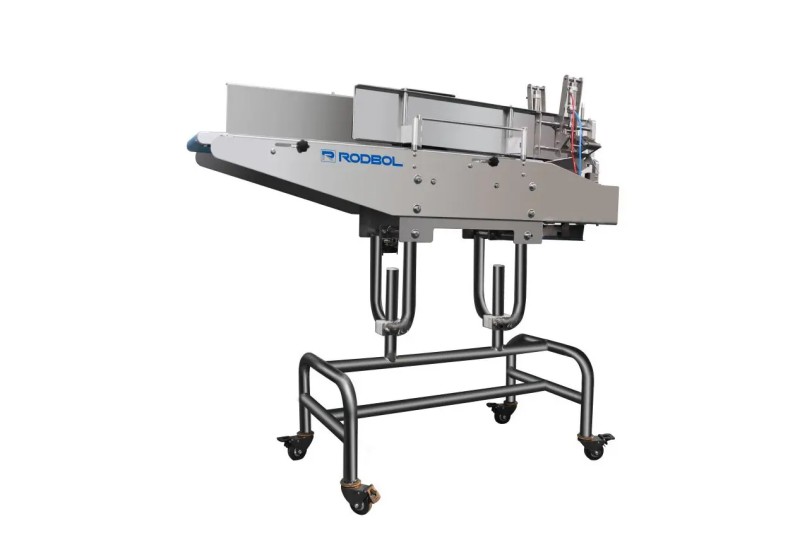
Related News
-
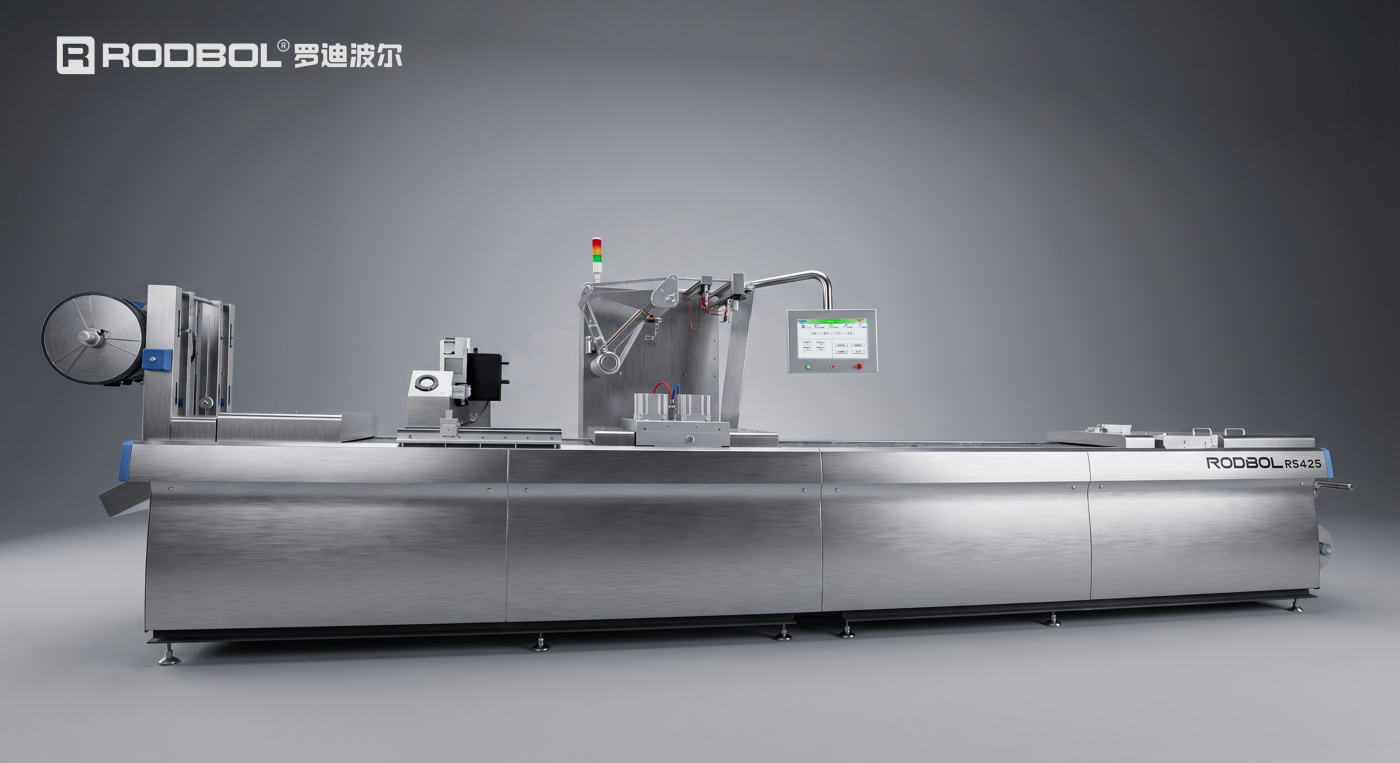 Exhibition Invitation: Meet Huada Packaging Machinery at CIMIE 2026
Chengdu Huada Packaging Machinery Co., Ltd. is pleased to extend a sincere invitation to all valued customers,…
-
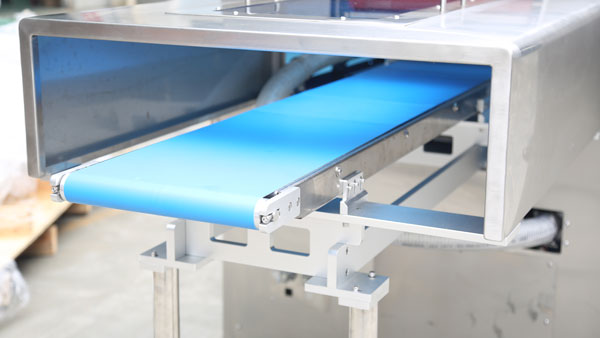 Ready to Ditch Manual Errors? Why Smart Packaging Equipment Is a Must-Have
Manual errors in packaging lines—misaligned seals, incorrect labeling, inconsistent fill levels—cost businesse…
-
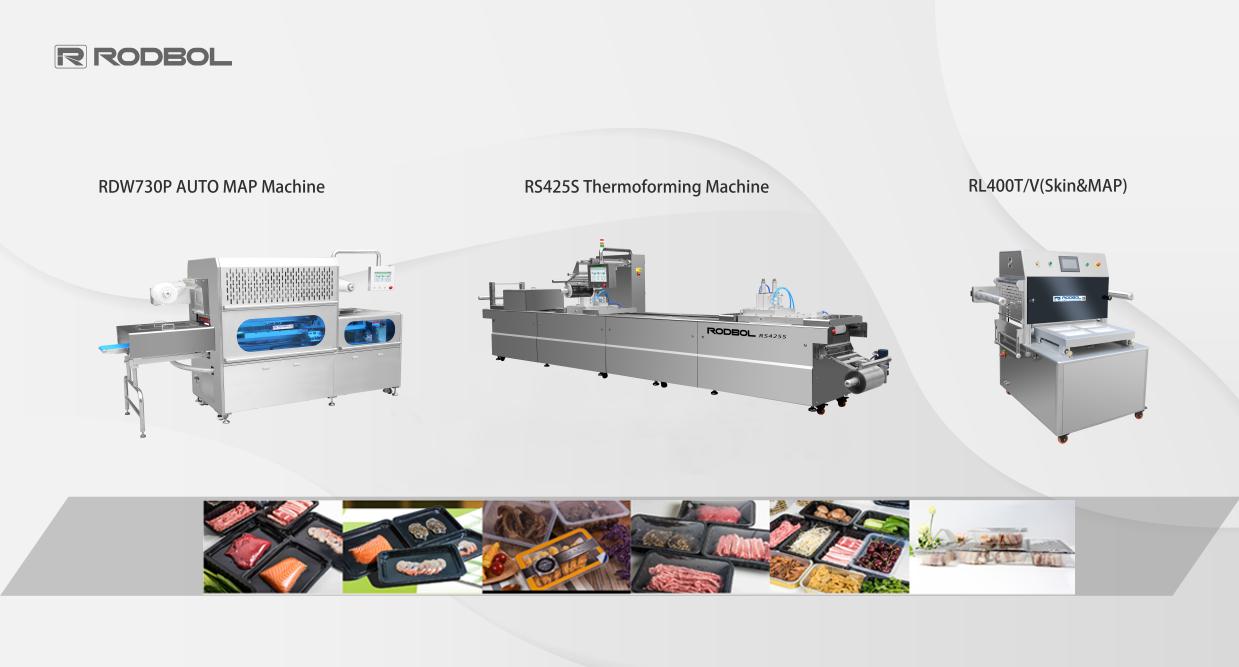 HUADA PACKAGING MACHINERY Thermoforming Packaging Machine Debuts at GULFOOD MANUFACTURING Expo
Dubai, 04.11.2025-06.11.2025 – At the highly anticipated GULFOOD MANUFACTURING Expo, a global gathering for fo…
FAQ
What output can I expect for this application?
Across our current models the corresponding rates are roughly: RLH200: 7200 (trays/hour). Real output also depends on fill weight, how fast operators load trays and what happens downstream.
How long does a format change take?
It is mainly a mould change: typically 30 minutes to an hour depending on how different the tray formats are. For plants running several SKUs we usually quote the common moulds together so nobody waits on tooling.
Tray sealing or thermoforming — which has the lower running cost?
It depends on volume. Thermoforming wins on consumables because roll film costs less than pre-made trays, but the machine and tooling cost more. Below roughly 3,000 trays a day, tray sealing is usually the better investment; above that, thermoforming pays back.
Tell us your tray, product and output target
Send a photo of your current pack and your target output per shift. We will come back with a machine model, a gas recipe and a mould proposal.
- • Quotation within 24 hours
- • Free selection and gas recipe advice
- • Global installation and training